Datenschaftler

Use case · solution pattern, not a customer claim

Condition monitoring for one critical asset

Maintenance follows a calendar or an actual failure. Sensor values sit in a historian, faults in MES, and work orders in SAP PM. Data quality, timestamps, and few labelled failures constrain the modelling approach.

Data landscape

These systems and data need to come together.

The first step is not a new platform for its own sake. It creates traceable access to the sources that shape the process today.

Siemens S7 or TIA Portal, OPC UA, MQTT, AVEVA PI, InfluxDB, other historian systems, MES, SAP PM, shift logs, and maintenance reports.

First project scope

Small enough to test. Relevant enough to decide.

A realistic starting point is condition monitoring for one asset and one failure mode. Thresholds, trend deviations, and condition indicators come before any promised failure probability.

Frame for a first project
  1. 01

    Constrain

    Select one critical asset and one professionally understood failure mode.

  2. 02

    Connect

    Align sensor values, timestamps, fault messages, and maintenance events.

  3. 03

    Review

    Have maintenance and asset experts assess condition indicators.

  4. 04

    Observe impact

    Observe warning time, data quality, event labelling, and asset availability.

The honest objection

We have too few historical failures for AI.

The dependable response

Then no failure probability is promised. The starting point uses thresholds, trend deviations, and condition indicators while improving event labels in parallel.

Conditions

What must be true before technology can create value.

A sound starting point needs clear data, accountability, and boundaries. Missing conditions are made visible rather than hidden.

  1. 01OT access and time-series quality are technically clear.
  2. 02One failure mode and relevant condition variables are identified.
  3. 03The approach starts with monitoring and human assessment.

When personal data is processed, requirements include purpose limitation, data minimisation, access protection, and deletion rules. Works councils and data protection stakeholders should be involved early where the specific use requires it.

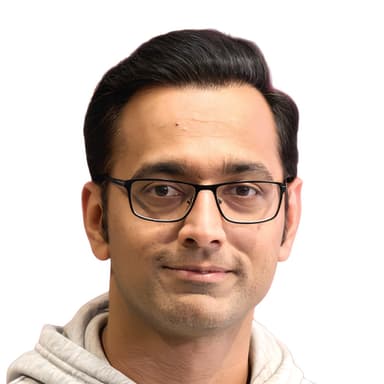
Portrait of Umar Qureshi

Personal accountability

10+ years of practice across data and AI.

Umar Qureshi, Data & AI Expert

The technical background spans data engineering and platform architecture through enterprise search and responsibly integrated AI systems. The assessment remains grounded in your process and system landscape.

Meet Umar and the team

Free initial assessment

Which critical asset lacks a dependable view of its condition today?

We assess data access, failure mode, and a realistic monitoring start without prediction promises.

The initial consultation and joint use-case discovery are free and non-binding.